
Two Different Things With Similar Names
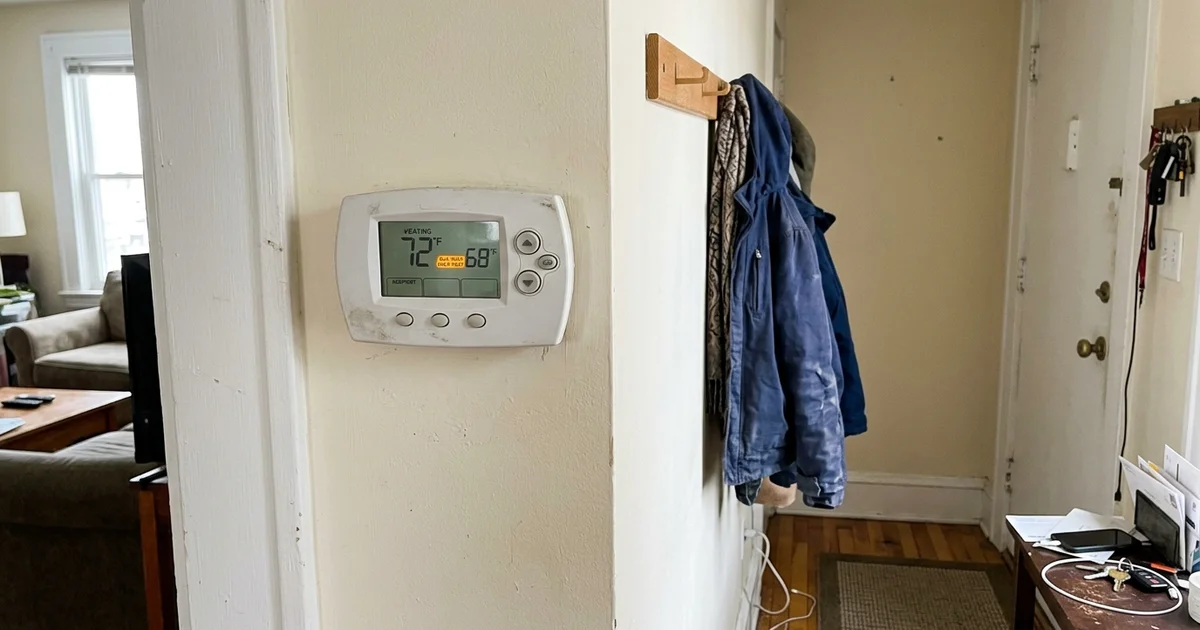
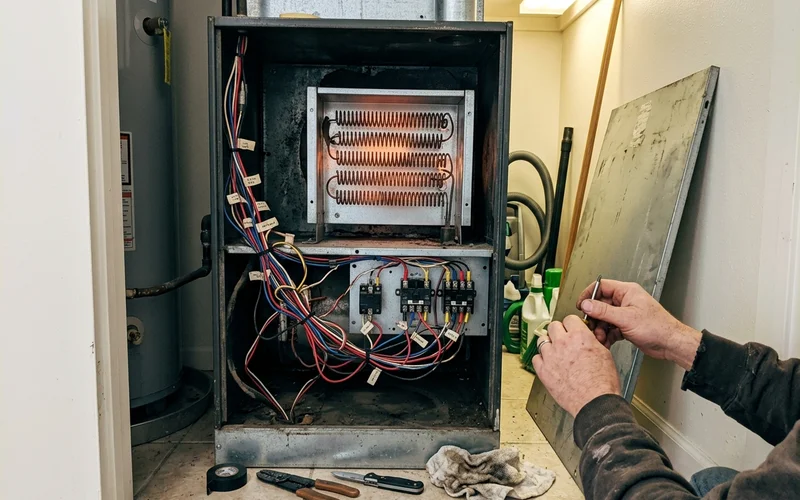
Almost every Alabama heat pump has electric resistance heat strips inside the indoor air handler. They serve as backup heat, and your thermostat can use them two ways, which matters when you are trying to work out whether you need heat pump repair or just a different setting.
Auxiliary heat (AUX) runs automatically. When the heat pump cannot keep up, very cold outdoor temperatures, a large thermostat setback being recovered, or during a defrost cycle, the thermostat brings the strips online alongside the heat pump. This is normal, designed behavior.
Emergency heat (EM) is a manual setting you select. It shuts the heat pump off completely and heats the house with the strips alone. It exists for when the heat pump has failed and you need warmth while waiting for a repair.
The distinction matters because one is your system working correctly and the other is a deliberate override.
Why Strips Cost So Much More
A heat pump does not create heat, it moves it, which is why it can deliver several units of heat energy for each unit of electricity it consumes. Electric resistance strips convert electricity directly into heat at roughly one to one.
The practical consequence is that your heating cost is several times higher per hour when strips are carrying the load. On a heat pump that has failed and been left on emergency heat for two weeks in January, that difference is large enough to be genuinely alarming when the bill arrives.
This is why “my power bill doubled in January” is such a common Alabama complaint, and why the first question a technician asks is whether aux heat has been running.
Normal aux heat
A short run during the coldest part of a morning, or a minute or two after a defrost cycle. That is the system doing exactly what it should.
When Constant Aux Heat Means a Fault
If your thermostat shows aux heat for hours at a stretch, or shows it at outdoor temperatures in the 40s and 50s, something is wrong. The likely causes:
Low refrigerant charge. Reduces heating capacity, so the heat pump falls behind and the thermostat brings in the strips to compensate.
Stuck reversing valve. If the heat pump cannot produce heat at all, the strips end up doing everything while the outdoor unit runs pointlessly.
Defrost system failure. An iced-over outdoor coil cannot extract heat, so aux heat covers the gap continuously.
Thermostat configuration. Some smart thermostats call aux heat far too eagerly, particularly when recovering from a deep setback. This is a settings problem rather than an equipment fault, and it is worth checking before assuming the worst.
Failed heat pump, running on EM. Sometimes someone switched it to emergency heat weeks ago and nobody switched it back.
Living With It Sensibly
Avoid deep thermostat setbacks with a heat pump. Dropping the temperature 8 degrees overnight and asking for it back quickly in the morning is a reliable way to trigger aux heat, which costs more than the setback saved. Modest setbacks of two or three degrees, or a smart thermostat with proper heat pump recovery logic, work better.
If you have switched to emergency heat because the heat pump failed, that is the right call for warmth. Just treat it as temporary. Call, get the heat pump diagnosed, and switch back as soon as it is fixed.
For what causes a heat pump to stop producing heat in the first place, read the heat pump not heating guide. For a diagnosis, Heat Pump Repair connects you with a licensed local contractor, with a free estimate before any work starts.