
What Each One Does
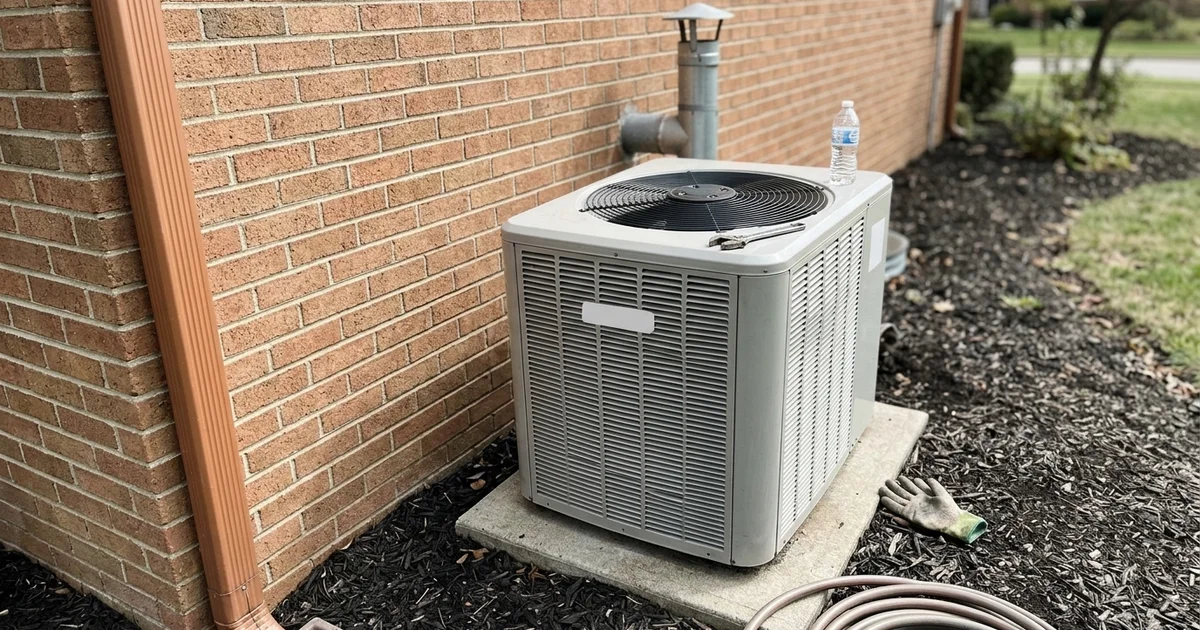
A heat pump moves heat rather than making it. In winter it extracts heat from outdoor air, yes, even cold air contains heat, and delivers it indoors. In summer it reverses and works as an air conditioner. One piece of equipment, both seasons.
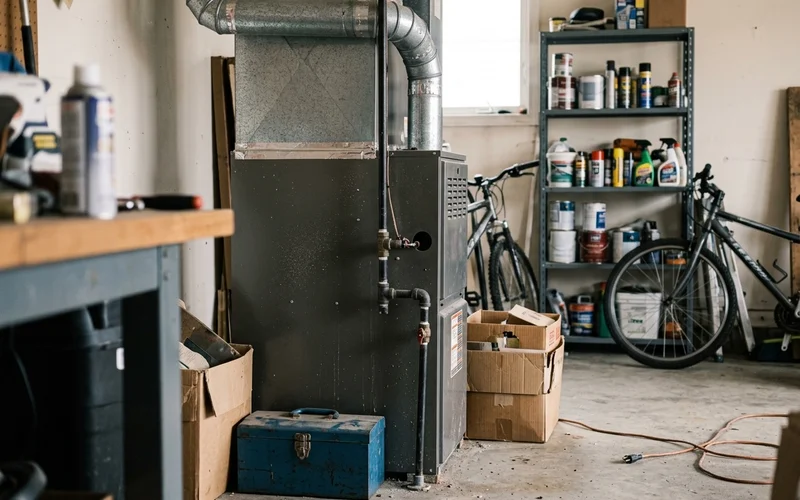
A gas furnace burns natural gas or propane to create heat, then blows air across a heat exchanger. It only heats. In a furnace home, cooling comes from a separate air conditioner sharing the same ductwork and blower.
That structural difference explains most of the comparison. A heat pump is one system doing two jobs; a furnace plus AC is two systems sharing plumbing.
The Alabama Comparison
| Factor | Heat pump | Gas furnace |
|---|---|---|
| Typical Alabama winter | Efficient across most of our range | Efficient at any temperature |
| Deep cold snaps | Leans on electric aux heat, cost rises | Unaffected |
| Supply air temperature | Warm (90–100°F) | Hot (120°F+) |
| Cooling | Included, same equipment | Requires a separate AC |
| Gas line needed | No | Yes |
| Safety considerations | Electrical only | Combustion, gas, carbon monoxide |
| Maintenance | Two visits a year recommended | Annual pre-winter check |
| Runtime wear | Year-round, higher hours | Winter only |
For the temperatures Alabama actually spends most of its winter in, 35 to 60 degrees, a heat pump is generally the cheaper way to heat, because it delivers several units of heat per unit of electricity. That advantage narrows as outdoor temperatures fall and disappears once electric strips are doing the work.
Which is exactly why most Alabama homes run heat pumps: our winters sit mostly in the range where they win, and the handful of hard-freeze days each year are covered by aux heat.
Where Dual-Fuel Fits
A dual-fuel system pairs a heat pump with a gas furnace. The heat pump handles heating above a set changeover temperature, and below it the furnace takes over. The switching happens automatically based on outdoor temperature.
This gets you the heat pump’s efficiency through most of the season and the furnace’s brute capability during a cold snap, with none of the aux-heat bill spike. The tradeoff is upfront cost, since you are buying two heating appliances, plus the need for a gas line.
The changeover setpoint matters and is worth asking about. Set too high, the furnace runs when the heat pump would have been cheaper. Set too low, you pay for expensive electric backup. A contractor should set it based on your local gas and electricity rates rather than a factory default.
If you already have both
Ask a technician to verify your changeover temperature during the next visit. It is a settings check that takes minutes and can quietly save money every winter.
When a Furnace Still Makes Sense
Three situations. If you already have a working furnace and a functioning separate AC, replacing both to consolidate rarely pays back on its own. If you live in North Alabama, where cold snaps bite harder and longer, the furnace side of a dual-fuel system earns its keep more often than it would on the coast. And if you strongly prefer the feel of hot supply air, that is a legitimate comfort preference, heat pump air is warm but never hot, and some people never quite adjust to it.
Against that, a furnace brings combustion safety considerations that a heat pump does not: gas lines, flue venting, heat exchanger integrity, and carbon monoxide risk. Those are managed routinely with annual servicing, but they are real and they are why furnace work stays firmly in licensed-technician territory.
For heat pump faults, Heat Pump Repair is the place to start, and if yours is underperforming in cold weather the heat pump not heating guide covers the usual causes. For furnace faults, gas smells, or ignition problems, Furnace Repair covers it, and the same phone call reaches both.