
Why the Range Is So Wide
Quotes for ductless mini-split service vary more than central system quotes, and it is not because contractors are inconsistent. It is because “installing a mini-split” describes jobs that genuinely differ by a factor of several.
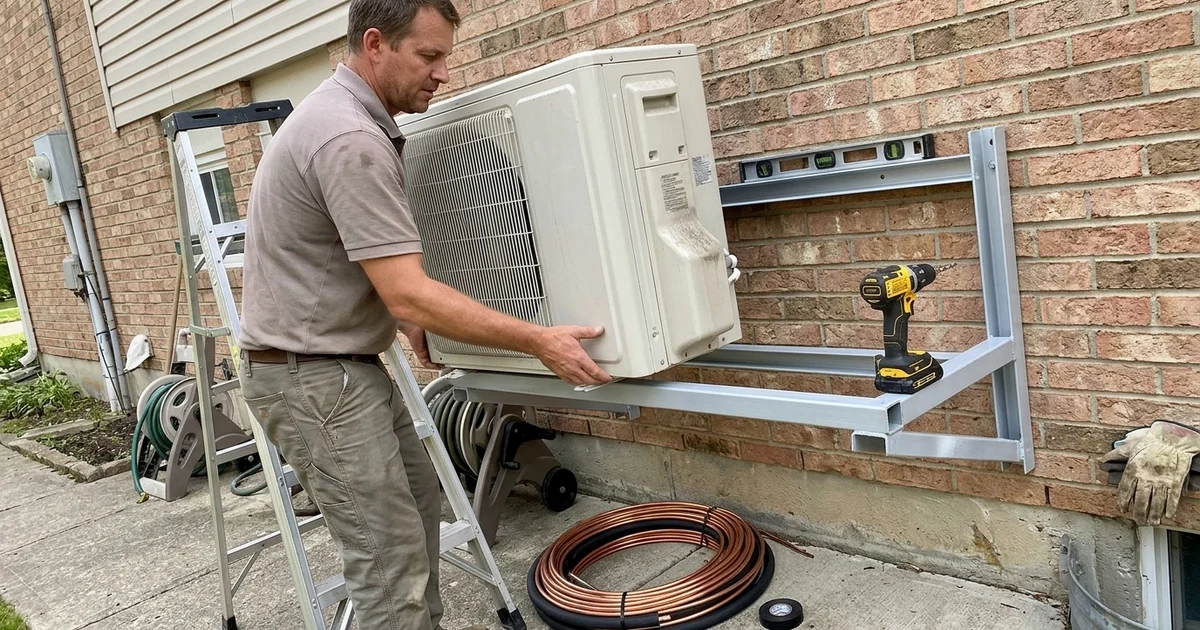
Putting one head on an exterior wall, ten feet from where the outdoor unit will sit, with an existing suitable circuit nearby, is a half-day job. Running three heads through an older home with plaster walls, twenty-five-foot line sets, and a new dedicated circuit from a panel that is already full is a different project entirely.
We do not publish prices here because we are a referral service, not the contractor. What we can do is set out what goes into the number so a quote makes sense to you.
What Goes Into the Quote
Equipment. The outdoor condenser and the indoor head or heads. Capacity matters, and so does efficiency and feature level, a basic single-zone unit and a high-efficiency multi-zone system are far apart on equipment cost alone.
Zone count. Each additional head adds equipment, a line set, a condensate route, and labor. It also pushes the outdoor unit into a larger capacity class.
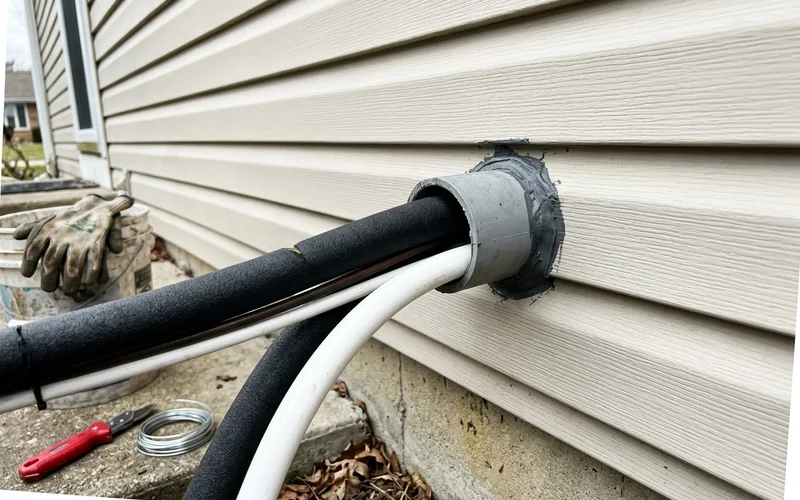
Line-set length and routing. Short and straight is cheap. Long runs, routing through crawl spaces or attics, or crossing the house adds material and time. Line-set covers for a tidy exterior appearance add a little more.
Electrical. Mini-splits need a dedicated circuit. If your panel has capacity and the run is short, this is modest. If a panel upgrade is required, it can be the largest single item in the quote.
Mounting and access. A ground-level pad is straightforward. Wall brackets, elevated mounts for flood-prone areas, or difficult roof access add labor.
Site conditions. Coastal installations may warrant corrosion-resistant equipment or protective coatings, which is worth the money along Mobile Bay and toward Gulf Shores.
Single-Zone Versus Multi-Zone
There is a decision here that homeowners often get wrong. Multi-zone systems, one outdoor unit serving several heads, look more efficient on paper and are tidier outside. But two independent single-zone systems sometimes cost less to install, and they have a practical advantage: if one fails, the other keeps working.
Multi-zone makes most sense when outdoor space is limited, when the zones are close together, or when you want a single point of control. Get both quoted if you are conditioning two or three spaces. The difference is sometimes surprising in either direction.
Ask for the zone breakdown
A quote that itemizes equipment, per-zone installation, and electrical work lets you make choices, such as installing two zones now and a third later, rather than facing one number you can only accept or reject.
The DIY Kit Question
Pre-charged DIY mini-split kits are widely available and genuinely cheaper. Being straight about the tradeoffs: warranty terms frequently require professional installation, and electrical work may need permits and inspection. Flare connections are the common failure point, and a marginally bad flare leaks refrigerant so slowly that the system works for a year and then does not. And if something goes wrong later, a contractor asked to service a DIY installation may be reluctant.
For a garage or workshop where the stakes are low, some homeowners take that trade knowingly. For living space, or where the warranty matters, professional installation is the safer buy.
For how ductless compares against the cheaper alternative, see the mini-split vs window unit guide. For real numbers on your space, Ductless Mini-Split Service connects you with a licensed local contractor for a free, no-obligation quote, with no referral fee to you.