
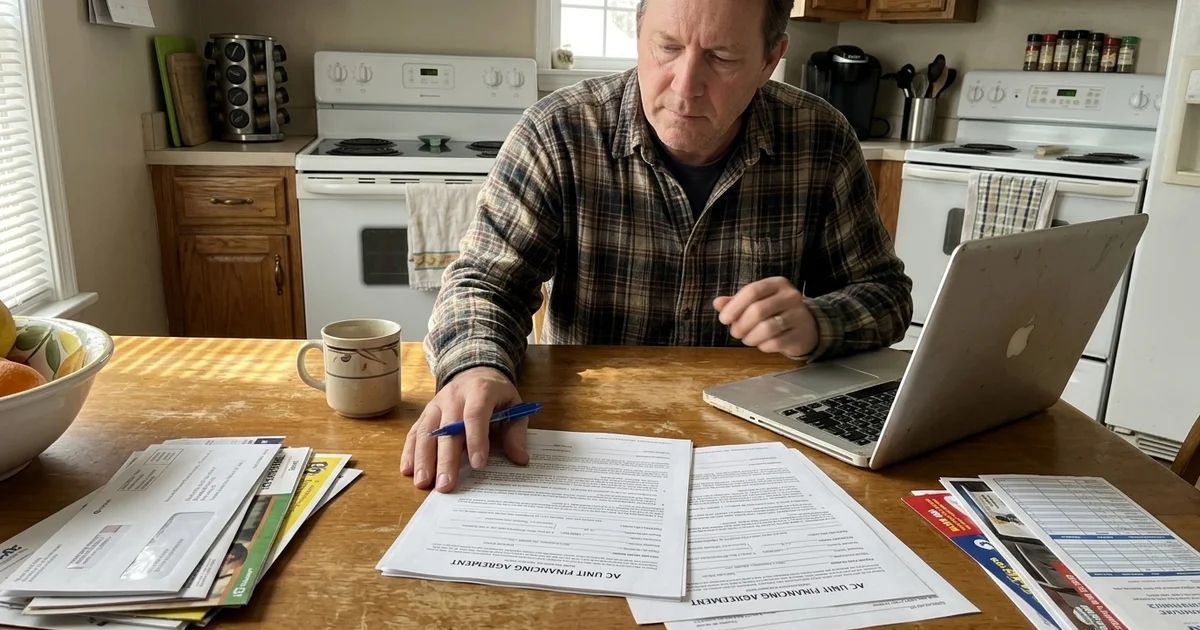
Lowering the Hurdle on a Replacement
A full system replacement is one of the larger purchases a homeowner makes without much warning, and it usually arrives at the worst possible time, mid-July, with the house at 90 degrees and no time to research. Financing and utility rebates exist to make that manageable, but the information around them is unreliable, so it is worth understanding how they actually work before you commit to AC installation and replacement.
Two honest caveats up front. We are a referral service, not a lender or a utility, and we do not administer any rebate program. And rebate programs change from year to year, so any specific dollar figure quoted on a website is a snapshot at best. What follows is how to find out what is genuinely available for your address today.
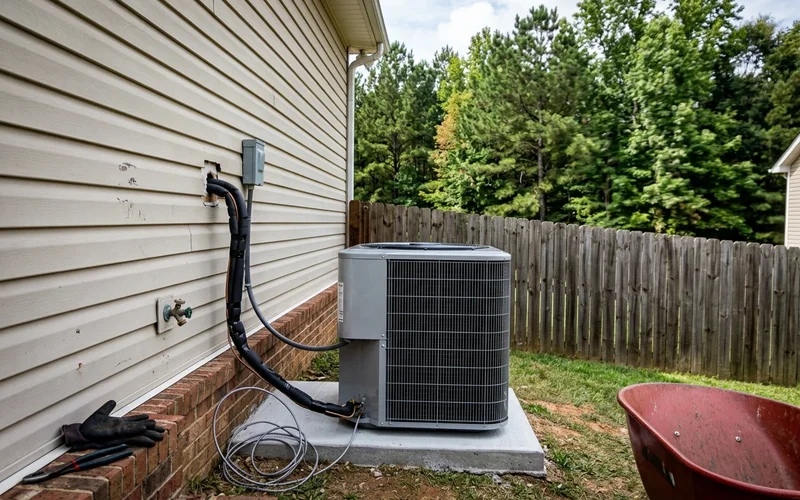
The Utility Landscape in Alabama
Alabama’s electricity comes from several sources depending on where you live, and that determines which efficiency programs apply.
Alabama Power serves much of the central and southern part of the state, including the Montgomery area and much of the Gulf Coast region. They have historically run residential efficiency programs and heat pump incentives.
TVA EnergyRight applies through local power distributors across North Alabama, including the Tennessee Valley areas around Decatur, Athens, and Cullman. TVA programs have covered efficiency upgrades and offered financing options through participating contractors.
Electric cooperatives and municipal utilities serve many smaller communities and often have their own programs or participate in TVA’s.
The practical implication: a homeowner in Athens and a homeowner in Foley may have entirely different options available for identical equipment. That is why the useful question is not “what rebates exist in Alabama” but “what applies at my address, through my utility, for this specific system.”
Ask the contractor to confirm, in writing
Which program, what the requirement is, how much, and whether it is applied as a discount or claimed afterward. A contractor who works your area regularly will know, and if they do not, that is informative too.
How Financing Usually Works
Contractor-arranged financing is the most common route. Many HVAC contractors partner with lenders who specialize in home improvement, and manufacturers periodically run promotional terms through participating dealers, often around the start of a season.
Compare on total cost rather than monthly payment. A longer term with a low monthly figure can cost considerably more overall. Ask about the interest rate, the term length, any deferred-interest conditions, and prepayment terms. Deferred-interest offers in particular are excellent if you clear the balance in time and expensive if you do not.
The other options homeowners use are home equity products, general-purpose personal loans, and occasionally utility on-bill financing where offered. Each has different tradeoffs, and none of them is our business to recommend, what we can tell you is that having the contractor’s financing terms in hand makes comparison possible.
Making the Numbers Line Up
The sensible sequence is: get the free quote first, with the correct system size, then look at financing and rebates against that number. Doing it the other way around, letting a rebate determine the equipment, is how people end up buying a system that is wrong for their house.
Ask the contractor to quote two or three efficiency levels. That shows you what the upgrade actually costs, what the rebate is worth against it, and what the projected running-cost difference looks like across an Alabama cooling season. With those figures side by side, the decision usually makes itself.
For a sense of the underlying price ranges before rebates enter the picture, the AC replacement cost guide sets expectations. When you want real numbers for your home, AC Installation & Replacement connects you with a licensed local contractor for a free, no-obligation quote.