
Why Sizing Is the Decision That Matters Most
Homeowners comparing quotes for AC installation and replacement tend to focus on brand and efficiency rating. Sizing deserves more attention than either, because a poorly sized system cannot be fixed later without replacing it again.
The instinct in Alabama runs toward bigger. It is hot, the season is long, so surely more capacity is safer. That instinct is wrong here for one specific reason: humidity.
An air conditioner removes moisture as a consequence of running. Warm humid air passes over a cold coil, water condenses out, and drains away. That process needs time. A system sized correctly runs long, steady cycles, and pulls a lot of moisture out along the way. A system that is too large drops the temperature fast, satisfies the thermostat, and shuts off before much dehumidification has happened.
What Oversizing Feels Like to Live With
The complaint is consistent and recognizable: the thermostat reads a comfortable number, but the house feels damp. Windows fog on humid mornings. Closets smell musty. Nobody is comfortable, and turning the temperature lower does not help because the problem is moisture, not heat.
Alongside that, an oversized system short cycles. More starts per hour means more compressor wear, higher startup current, and a shorter service life. You paid more upfront for equipment that is less comfortable and will not last as long. That is a bad trade in any climate and a particularly bad one here.
The Alabama test question
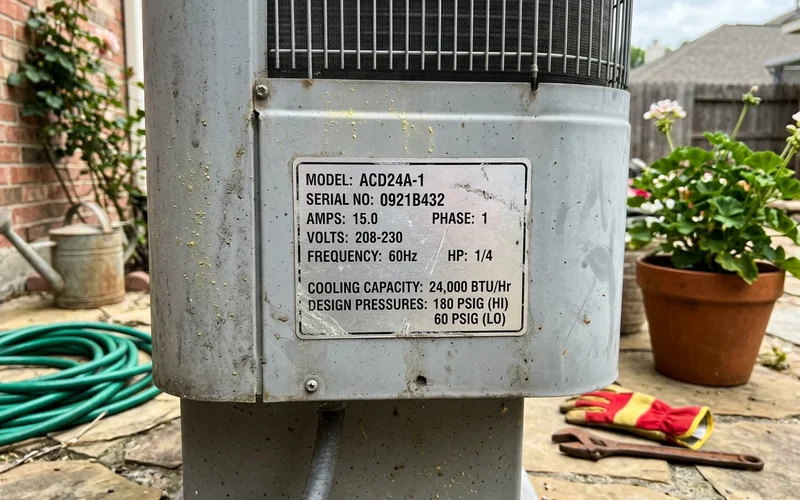
Ask a contractor how their proposed system will handle humidity, not just temperature. The answer tells you a lot about whether they have thought about your house or just replaced your old nameplate.
What a Manual J Actually Considers
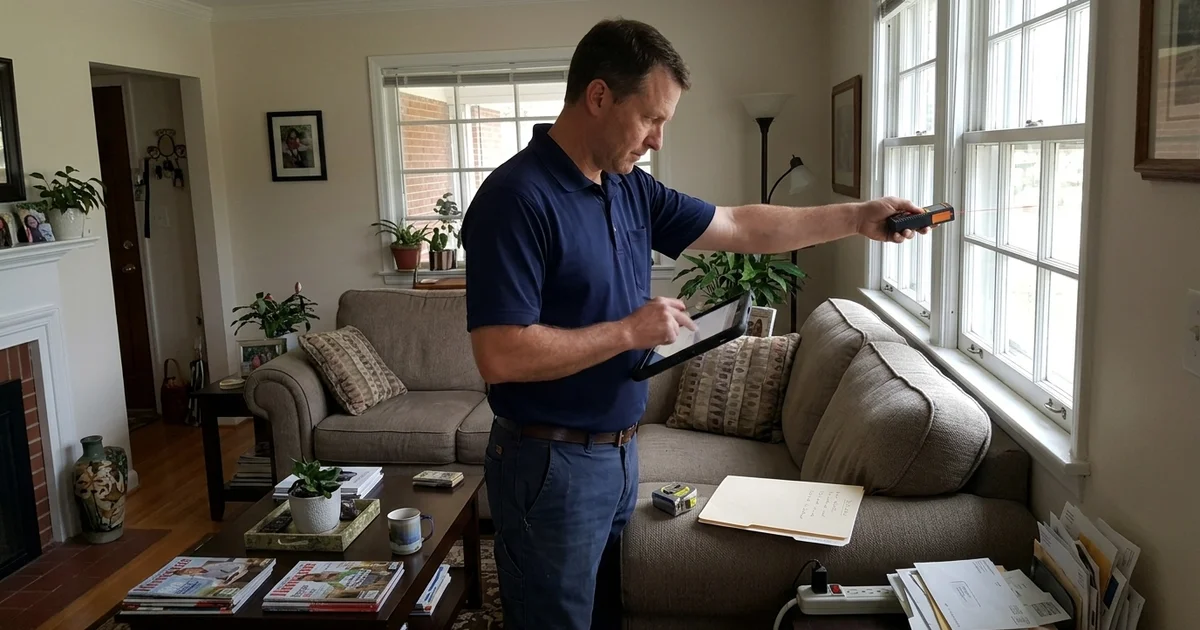
A proper load calculation is not a square-footage lookup. It accounts for the conditioned floor area and ceiling heights, insulation levels in walls and attic, window area, glazing type and orientation, air infiltration, the number of occupants, internal heat sources, duct location and condition, and local design temperatures for your part of Alabama.
Two homes with identical square footage can land a full ton apart on the calculation. A brick ranch with modest windows and a well-insulated attic in Cullman does not have the same load as a 1970s home with single-pane windows and duct running through a 130-degree attic in Dothan.
This is also why matching your old unit’s tonnage is risky. If the previous installer guessed, you inherit the guess. And if you have replaced windows, added insulation, or enclosed a porch since then, the load has genuinely changed.
Undersizing Is Also Real
The opposite mistake exists, though it is less common. A system too small for the house runs continuously on the hottest afternoons and still loses ground, leaving the indoor temperature climbing through the afternoon. It dehumidifies well, since it never stops running, but it cannot hold temperature during peak load.
The right answer is neither the biggest nor the smallest available. It is the size the calculation produces, with equipment capable of running at reduced capacity when the load is lower, which is where two-stage and variable-speed systems earn their keep in this climate.
If Humidity Is Already Your Problem
Sizing fixes humidity on a new installation. If your existing system is oversized and you are not replacing it yet, a whole-home dehumidifier addresses moisture independently of cooling. That is covered in the whole-home dehumidifier guide.
The efficiency rules that govern what can be fitted are covered in the SEER2 guide. When you are ready to price a correctly sized replacement, AC Installation & Replacement connects you with a licensed contractor who will run the calculation and give you a free, no-obligation quote.