
Why We Do Not Publish a Price
This site is a referral service, not the contractor. The licensed contractor who visits your home for AC installation and replacement sets their own prices, and quoting numbers we do not control would be misleading. What we can do is explain how replacement pricing is built, so a quote either makes sense or prompts the right follow-up questions.
Replacement quotes are made up of equipment, labor, and everything the job touches on the way through. That last category is where quotes diverge most, and it is why two numbers for “a new three-ton system” can differ substantially and both be honest.
What Sits in the Quote
The equipment. Outdoor condenser, matched indoor coil or air handler, and often the line set. Capacity (tonnage) and efficiency (SEER2) are the two biggest levers on price, followed by whether the system is single-stage, two-stage, or variable-speed.
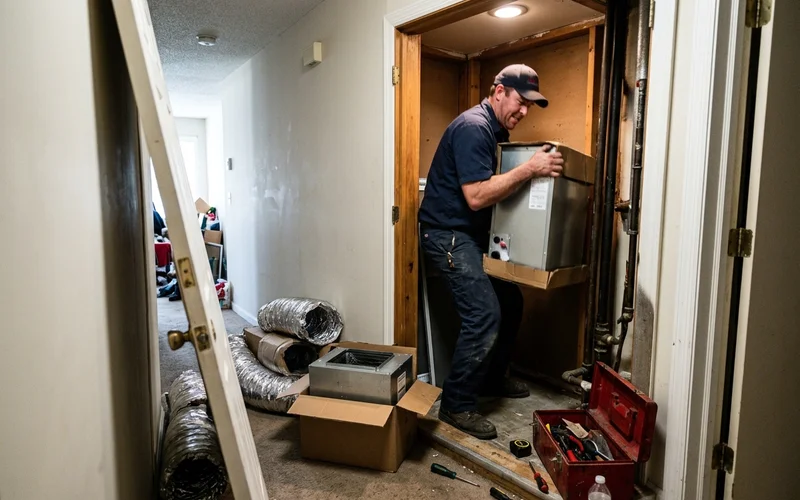
The installation labor. Removing the old equipment, setting the new, brazing connections, pulling a proper vacuum, charging, wiring, and commissioning. Access difficulty matters here, a tight attic in August is not the same job as a garage installation.
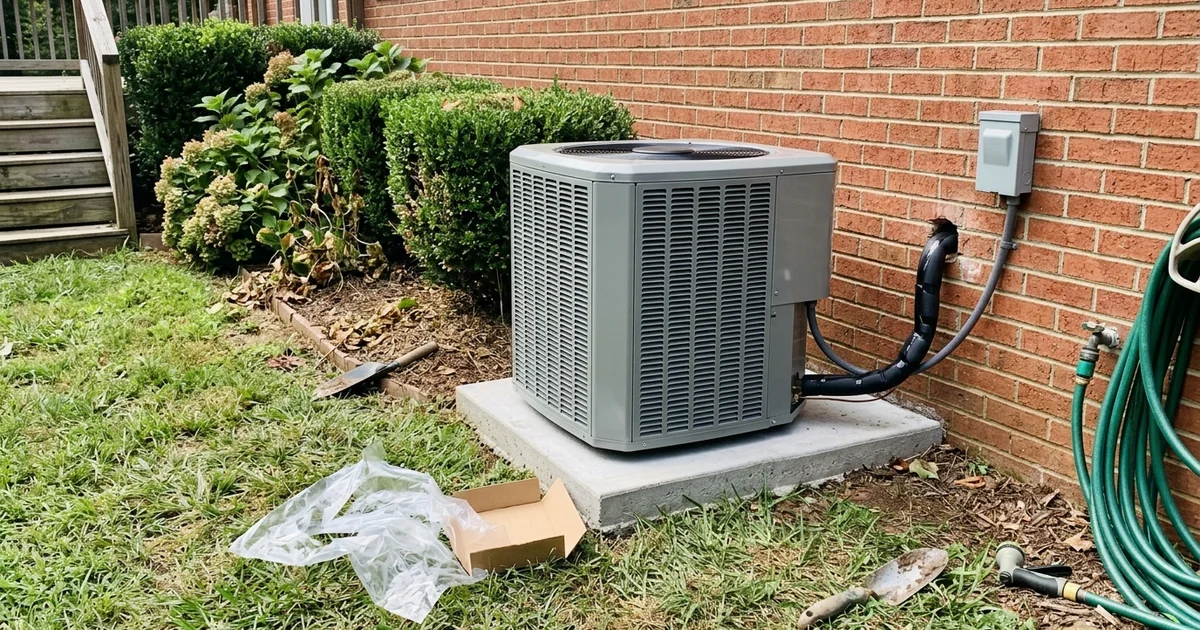
Everything adjacent. New pad, disconnect, whip, drain provisions, plenum transitions, thermostat, and permit fees where applicable. Older homes tend to need more of this than newer ones.
Optional but often sensible. Duct sealing or repair, return air improvements, and in humid parts of the state a dedicated dehumidifier. None of these are strictly part of a changeout, and all of them affect what the new system delivers.
Where Alabama Prices Sit in Practice
Broad market observations, not our prices:
Low end. A modest-tonnage, minimum-efficiency, single-stage system replacing like for like, with good access and no duct work required.
Middle. A mid-efficiency two-stage system, correctly sized after a load calculation, with a matched coil, new pad and disconnect, and modest drain or plenum work.
Upper end. High-efficiency variable-speed equipment, larger capacity, difficult access, meaningful duct modification, or a full system including a dehumidifier or zoning.
Coastal homes sometimes sit slightly higher because corrosion-resistant equipment options and additional protection are worth specifying near salt air.

Comparing Quotes Properly
The most common mistake is comparing bottom-line numbers from quotes that describe different jobs. Before comparing, check that each one states the equipment model numbers and SEER2 rating, whether a load calculation was performed and what size it produced, whether the indoor coil and line set are included, what warranty covers parts and labor, and whether permits and startup commissioning are included.
Once those match up, the price comparison means something. If one quote is dramatically lower, look for what is missing rather than assuming a bargain.
One question that reveals a lot
“What size did the load calculation come out at, and how did you arrive at it?” A contractor who ran the calculation will answer immediately and specifically.
Bringing the Number Down Sensibly
Financing and utility programs are the legitimate levers, and both are covered in the financing and rebates guide. Beyond that, timing helps, quoting in spring or fall rather than mid-crisis gives you room to compare.
What does not help is buying undersized equipment to save money, skipping a needed duct repair, or choosing an installer on price alone. Installation quality determines how long the system lasts more than the badge on the front does.
When you are ready for real figures on your home, AC Installation & Replacement connects you with a licensed, insured local contractor for a free, no-obligation quote. There is no referral fee to you.