
What SEER2 Actually Measures
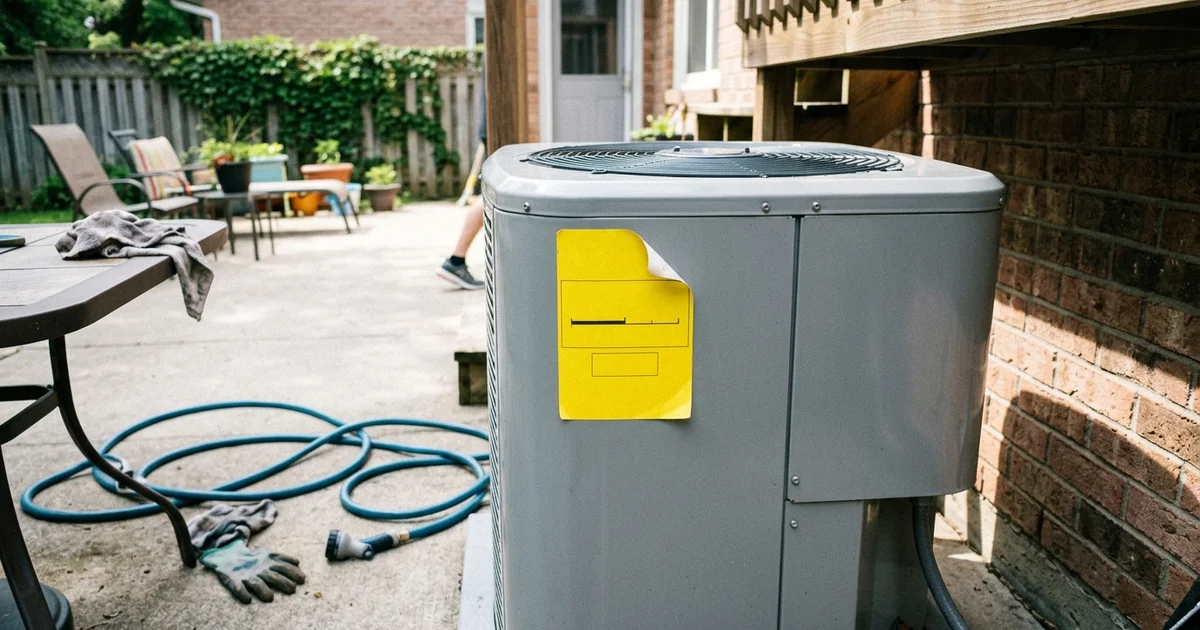
SEER2 stands for Seasonal Energy Efficiency Ratio 2, and it is the number that decides what equipment a contractor can legally fit during AC installation and replacement. In plain terms, it is a measure of how much cooling a system delivers for the electricity it consumes across a typical cooling season. Higher number, less electricity for the same cooling.
The “2” matters. The older SEER rating was measured under laboratory conditions with very low external static pressure, which is to say, conditions kinder than any real house with real ductwork. SEER2 raised the test pressure to reflect reality. The consequence is that the same physical equipment carries a slightly lower SEER2 number than it did as a SEER number, even though nothing about it changed.
That trips people up when comparing an old system’s paperwork against a new quote. If your existing unit’s label says 14 SEER and the quote says 14.3 SEER2, the new system is meaningfully more efficient, not roughly the same.
Why Alabama Has Its Own Minimum
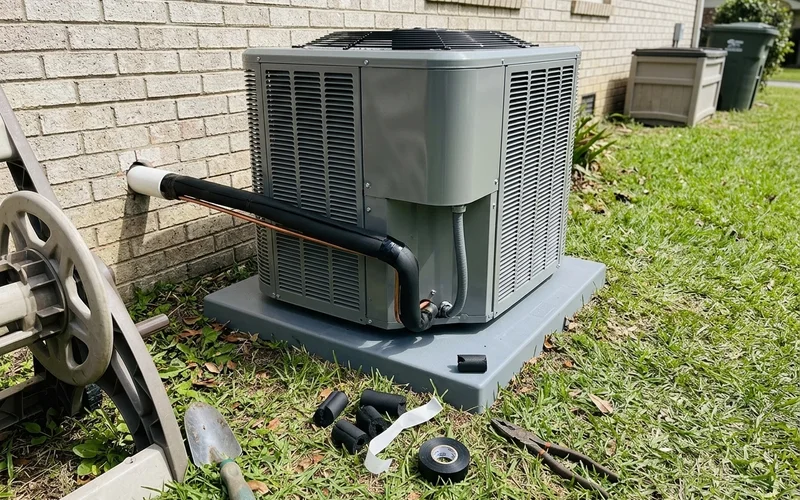
Federal efficiency standards for residential air conditioning are set regionally, and the Southeast has a higher minimum than the North. The logic is straightforward: a system in Alabama runs vastly more cooling hours than one in Michigan, so the energy consequences of a low-efficiency unit are proportionally larger.
Practically, this means a system that could legally be installed in a northern state may not be installable here. It also means that regional enforcement applies at installation, not just at manufacture, so this is not a rule you can work around by buying equipment out of state.
Ask your contractor to confirm the current minimum during the quote. Standards have been revised in recent years, and anyone quoting you equipment should know exactly where the floor sits today.
Ask this on any replacement quote
“What SEER2 is this system, what is the current regional minimum, and what would the next efficiency step up cost?” Three questions, and they frame the whole decision.
Efficiency Versus Upfront Cost
Above the regional minimum, you are buying down your operating cost. A higher-SEER2 system costs more to purchase and less to run, and the payback period depends on runtime, electricity rates, and how well the rest of your system performs.
Alabama’s long cooling season shortens that payback compared with most of the country. But two caveats are worth stating honestly. First, leaky ducts and poor insulation can eat the savings of a high-efficiency system, which is why duct condition is worth checking before spending heavily on efficiency. Second, past a certain point, the incremental cost of each extra efficiency step grows faster than the savings it delivers.
What Matters More Than the Number
For Alabama specifically, how the system runs often matters more than its headline rating. Single-stage equipment runs flat out or not at all. Two-stage and variable-speed equipment can run longer at lower capacity, which pulls significantly more moisture out of the air.
That is the difference between a house that reads 74 and feels comfortable and a house that reads 74 and feels clammy. In a climate where dew points sit high for months, humidity control is a large part of what people actually mean by comfort, and it does not appear in the SEER2 number at all.
So when comparing quotes, look at three things together: the SEER2 rating, whether the system is single-stage, two-stage, or variable-speed, and whether the contractor sized it with a proper load calculation. All three shape what the system will feel like to live with.
For what those choices do to the bottom-line price, the AC replacement cost guide breaks down the drivers. When you are ready for real numbers on your home, AC Installation & Replacement connects you with a licensed contractor for a free, no-obligation quote.