
The Complaint That Confuses People
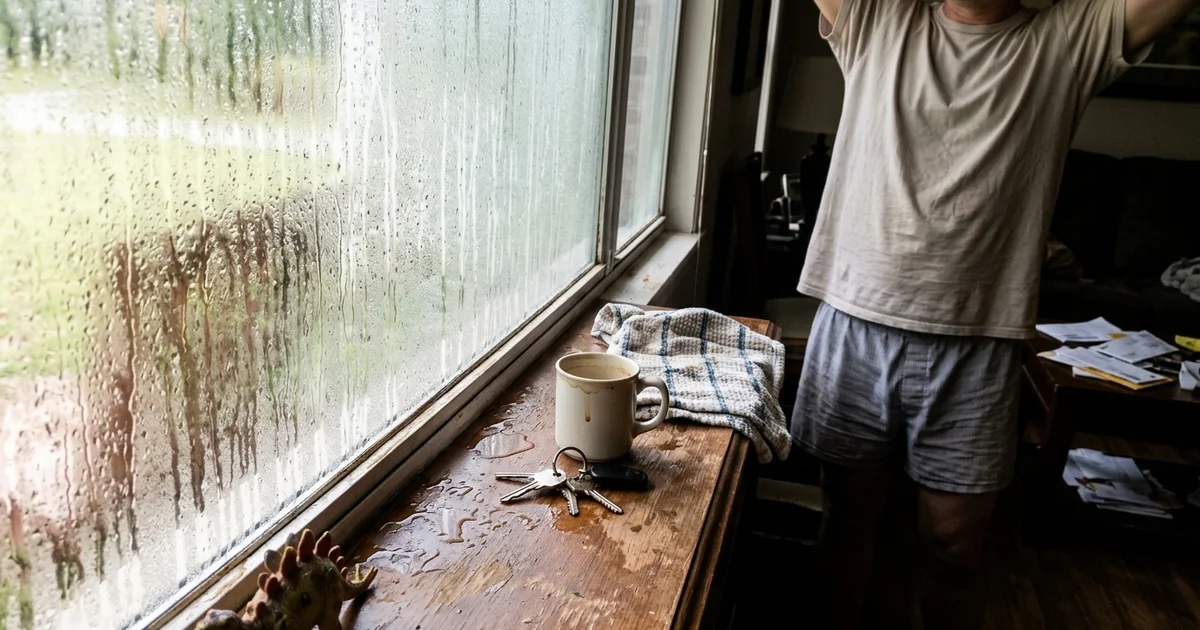
“The thermostat says 74 and the house still feels awful.” It is one of the most common comfort complaints in Alabama, it is not a temperature problem at all, and it usually lands as a ducts, thermostats and indoor air quality job rather than a cooling one.
Comfort is temperature and humidity together. At 45 percent relative humidity, 76 degrees feels pleasant. At 65 percent, 74 degrees feels heavy and sticky, and the instinct is to turn the thermostat down further, which makes the house cold and damp instead of warm and damp.
Your air conditioner does dehumidify, but only as a side effect of running. Warm humid air crosses a cold coil, moisture condenses out, and drains away. That process needs runtime. Cut the runtime and you cut the drying.
Why Alabama Air Conditioners Fall Short
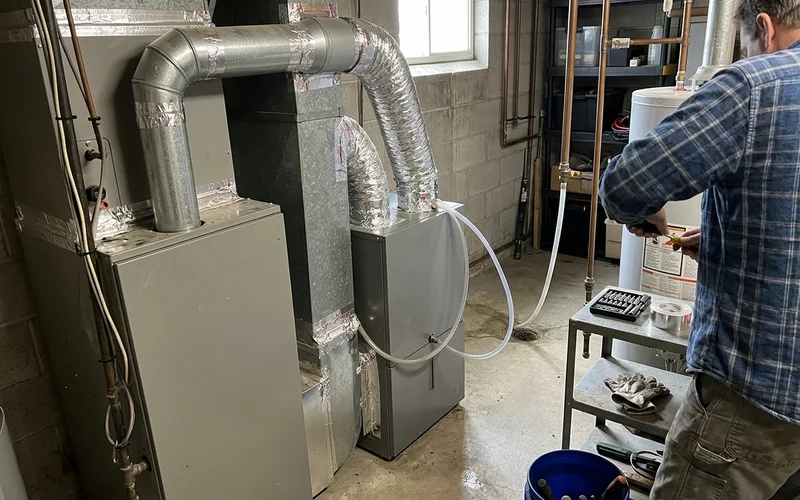
Oversizing. The most common cause. A system with more capacity than the house needs drops the temperature fast, satisfies the thermostat, and shuts off after a short cycle. Little moisture removed. The AC sizing guide covers why this happens and how it gets fixed at replacement.
Mild days and shoulder seasons. In May and September, outdoor temperatures are moderate but dew points are high. The AC barely needs to run for temperature, so it barely runs for moisture either. Those are often the clammiest weeks of the year indoors.
Leaky return ducts. Returns running through an attic pull hot, humid air directly into the system, adding moisture load that the equipment then has to remove.
Genuinely humid outdoor air. Gulf Coast summers deliver dew points in the mid-70s for weeks. Any air infiltrating the house brings that moisture with it.
What a Whole-Home Dehumidifier Does
It is a dedicated appliance, ducted alongside your air handler, that removes moisture independently of cooling. It runs when humidity is high whether or not the AC is calling, and it drains automatically to the same condensate system.
Installed properly, it holds indoor relative humidity in the comfortable 45 to 55 percent band regardless of what the temperature is doing. The subjective difference surprises people: the house feels cooler at a higher thermostat setting, because dry air at 76 is more comfortable than damp air at 73.
That opens a modest efficiency argument too. If you can be comfortable at 76 instead of 72, the AC runs less.
Measure before you buy
A basic hygrometer costs very little and settles the question. If your indoor humidity reads consistently above 60 percent through summer, you have a genuine moisture problem worth solving.
Beyond Comfort
Sustained high indoor humidity encourages mold growth in wall cavities and behind furniture, feeds dust mites, produces musty smells in closets and crawl spaces, and can cause condensation on cool surfaces. In coastal Alabama homes, and homes with crawl spaces, this is a maintenance issue rather than just a comfort preference.
Sizing matters here as much as it does with an air conditioner. A dehumidifier is rated in pints of moisture removed per day, and it should be matched to the home’s volume, its infiltration rate, and how much load the AC is already handling.
Duct leakage is worth ruling out first, since it pulls humid attic air straight into the system, and the leaky ducts guide covers the signs. For assessment and installation, Ducts, Thermostats & Indoor Air Quality connects you with a licensed local contractor who can measure your indoor humidity, check whether duct leakage is contributing, and quote the options free with no obligation.