
What Filtration Can and Cannot Do
Air filtration is one part of ducts, thermostats and indoor air quality work, and it removes particles from the air passing through it. That includes pollen, dust, mold spores, pet dander, and some smoke particles. For allergy sufferers, reducing the airborne load genuinely helps, and many people notice the difference within days.
What it cannot do is remove what has already settled. Pollen in your carpet, dander on the couch, and dust in the bedding are not airborne until something disturbs them, so filtration only catches them on the way past. It also does nothing about gaseous pollutants unless the unit includes activated carbon.
Being clear about that boundary matters, because air purifiers are marketed with claims that outrun the evidence. Realistic expectation: meaningfully cleaner air, alongside cleaning habits and humidity control, not a sealed environment.
The Alabama Context
Two things make this a bigger deal here than in many states.
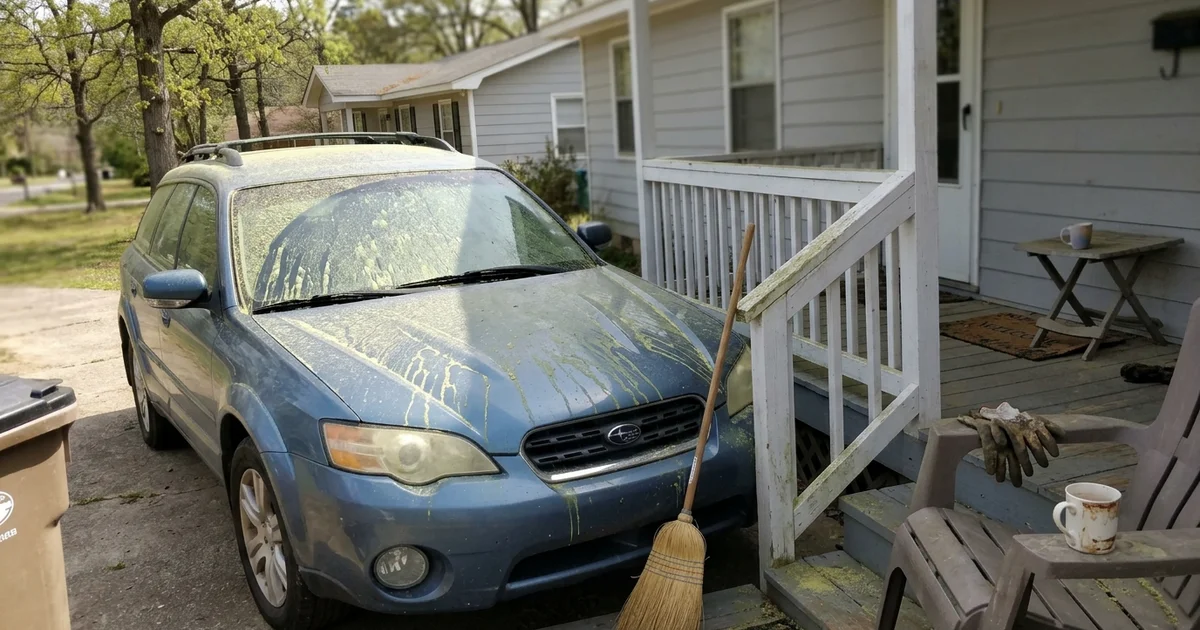
Pollen. Alabama springs are severe. Tree pollen from February through April, grass pollen into summer, and ragweed in the fall mean there is barely a clear month. Anything that enters your house on clothes, through open doors, or through leaky returns ends up in the air.
Humidity. High indoor moisture supports dust mites and mold growth, both major allergen sources. This is why humidity control and filtration work together: a whole-home dehumidifier addressing 65 percent indoor humidity may do more for an allergy sufferer than a purifier alone.
Add leaky attic ductwork, which pulls dusty attic air directly into the system, and you have three factors compounding. Filtration addresses one of them.
The Options, Ranked by Practicality
Better filters in what you already have. The cheapest meaningful upgrade. Moving from basic fiberglass to a MERV 8 to 11 pleated filter improves particle capture substantially. Do not exceed what your system can handle, see the filter and MERV guide for why higher is not automatically better.
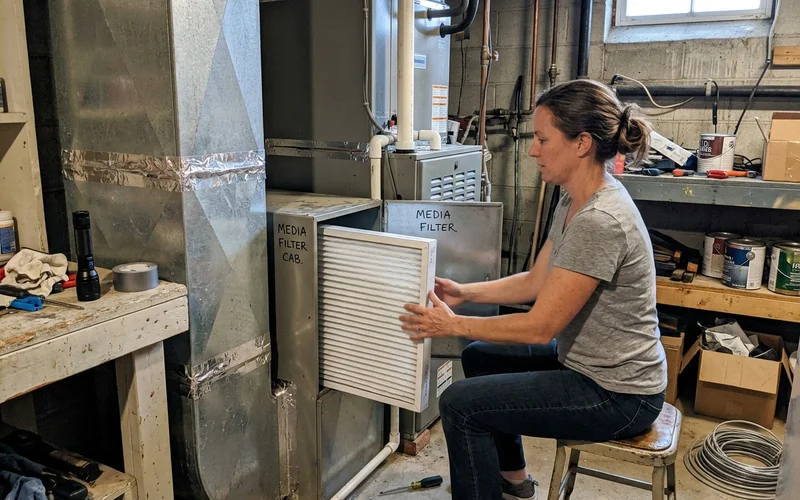
Media air cleaner cabinet. A deeper filter housing installed at the air handler that holds a 4- or 5-inch filter. More surface area means high filtration with less airflow restriction, and filter changes drop to two to four times a year. For most Alabama homes this is the sensible whole-home answer.
Bypass or ducted HEPA units. Higher filtration through a dedicated unit that treats a portion of the airflow. More expensive and more involved to install.
UV coil lights. Aimed at the evaporator coil to control microbial growth on the coil and drain pan. In a humid climate where coils stay damp for months, this has a real and specific purpose. Broader air-sterilization claims are weaker.
Portable room units. Best used in a bedroom, where you spend eight hours a night. A good HEPA portable in the bedroom plus decent whole-home filtration is a practical combination.
What to check before buying anything ducted
Whether your system’s blower and duct sizing can handle the added resistance. A filtration upgrade that restricts airflow can cause frozen coils and higher bills, which is the opposite of an improvement.
Doing It in the Right Order
Fix leaky ducts first if you have them, since a leaky return pulls unfiltered attic air past the filter entirely, and the leaky ducts guide covers how to spot that. Get humidity into the 45 to 55 percent range next. Then upgrade filtration, and add a bedroom portable if symptoms warrant.
Done in that order, each step builds on the one before. Done backwards, you may spend money on a purifier that is quietly being undermined by a disconnected return duct in the attic.
Ducts, Thermostats & Indoor Air Quality connects you with a licensed local contractor who can assess all three and quote the options free, with no referral fee to you.