
Start Here: The Four-Minute Check
Your AC just quit and the house is heating up. Before you call anyone, four quick checks solve a meaningful share of emergency calls, and they cost you nothing but a few minutes.
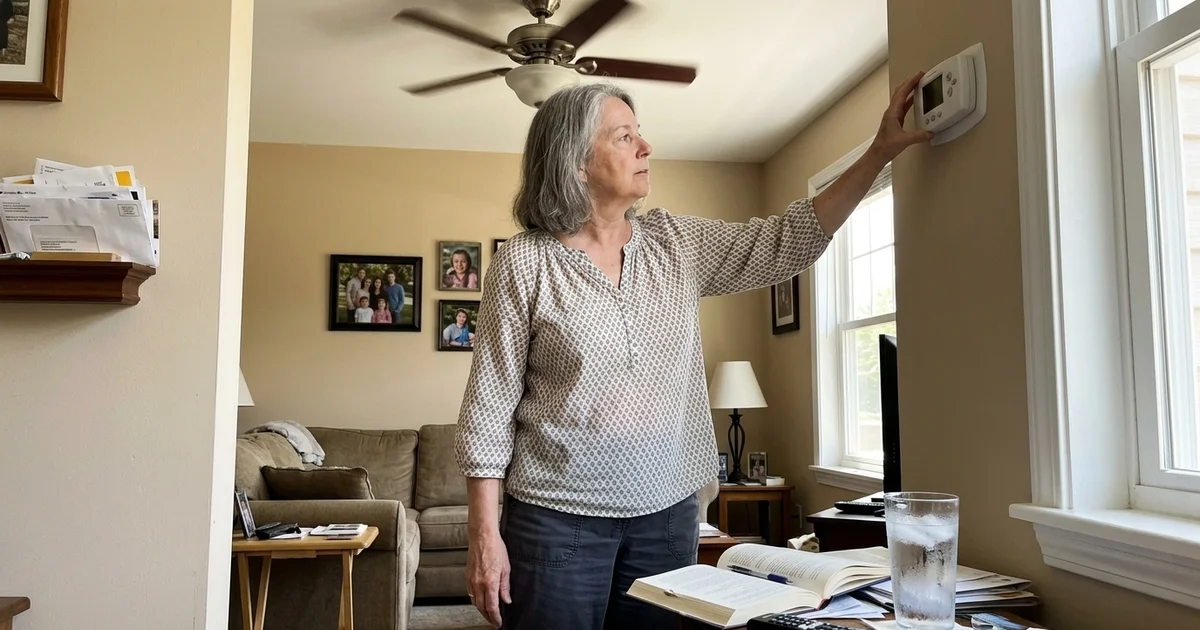
Thermostat. Confirm it is set to cool, the temperature is set below the current room temperature, and the fan is on auto. If it takes batteries, swap them. A dead thermostat looks exactly like a dead air conditioner from the hallway.
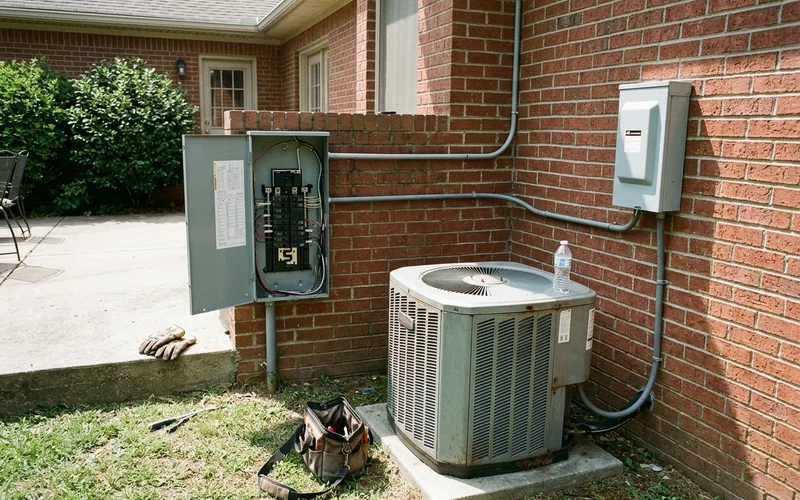
Breaker. Go to the panel and look for a tripped breaker labeled for the air handler or condenser. If one has tripped, reset it once. If it trips again, stop. A repeatedly tripping breaker means a real electrical fault, and resetting it over and over pushes current through a failing part.
Filter. Pull the filter and hold it up to the light. If you cannot see light through it, that is very likely your problem, and it may have already frozen your coil.
Float switch and drain. If there is water near the indoor unit, or a small switch on the drain pan has flipped, the condensate drain has clogged and the safety cut-off has done its job by shutting the system down.
If none of those explain it, you are past the homeowner stage. That is the point to call AC Repair and get a licensed contractor headed your way.
Stop troubleshooting if you see any of this
Ice on the coil or refrigerant line, a burning smell, a grinding or screeching noise, a breaker that trips twice, or water spreading across a ceiling. Shut the system off and call.
Staying Safe While You Wait
Alabama heat does not wait politely for a technician. A house without cooling on a 95-degree afternoon can climb into the 90s indoors within a couple of hours, faster in a home with attic ductwork or west-facing windows.
Close blinds and curtains on the sunny side of the house. Run ceiling fans and box fans, remembering that fans cool people rather than rooms, so point them at where people actually are. Move everyone to the lowest floor, since the upstairs of an Alabama home in August is the last place you want to be without AC.
Drink more water than feels necessary and keep an eye on anyone vulnerable: older adults, infants, pregnant women, and anyone with heart or lung conditions. Heat exhaustion shows up as heavy sweating, weakness, nausea, and headache. If someone stops sweating, becomes confused, or has a very high body temperature, that is heat stroke and it needs 911, not a service call.
Avoid using the oven, and hold off on the dryer until things are back under control. If the house becomes genuinely unsafe, go somewhere cool, a relative’s house, a library, a shopping center, and let the contractor call you when they are on the way.
What Same-Day Dispatch Actually Looks Like
Here is what happens when you call. You describe the symptom and your city. We connect you with a licensed, insured HVAC contractor who covers your area. They tell you when they can get there, come out, diagnose the fault, and give you a free, no-obligation estimate before doing any work. You pay the contractor directly for what you approve, and there is no referral fee added for you.
Two honest notes about timing. First, same-day service is available in most covered areas during business hours, but during a July heatwave, when systems across the whole state fail on the same afternoon, “same day” gets competitive. Calling early in the day genuinely improves your odds. Second, the phone is answered 24/7, but after-hours dispatch depends on which contractor is on call in your area. A good contractor will tell you the truth about a 2 AM arrival rather than promise one and leave you waiting.
When you call, have three things ready: your city or nearest town, what the system is doing in plain words, and roughly how old the equipment is. That is enough to route you to the right person and let them bring likely parts.
After the Emergency
Once the house is cool again, it is worth asking the contractor what caused the failure. A capacitor that failed at seven years old is bad luck. A frozen coil caused by a filter nobody changed since spring is a maintenance issue you can prevent. A refrigerant leak that gets topped up rather than repaired will be back, probably during the next heatwave.
If your system is over ten years old and this was not its first failure of the season, ask for both numbers, repair cost and replacement cost, while the contractor is already there. Having those figures in hand beats making the decision in a panic next time.
For the most common version of this emergency, where the system runs but the air coming out is warm, the AC not cooling guide walks through the likely causes in detail.